Plant lore
TOUCH-ME-NOTS
Poison Oak, Ivy and Sumac
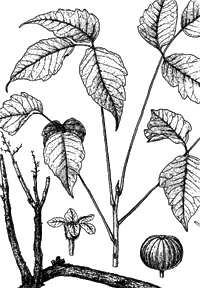
Leaves of three, let it be, usually. These plants have glossy leaves and smooth viney stems. They get their names by the shape of the leaf, but this is a terrible way to try to identify them. They may turn reddish, especially in late summer and fall.
If you are exposed to them, a strong detergent may help ward off the worst affects. My favorite remedy is wild plantain, which, coincidentally, usually grows right next to poison oak. Just bruise the plantain leaves and rub them on the exposed area. Then throw away the plantain.
Some people don’t react to them at all. If the leaves are furry looking and the stems have thorns, the plant is a variety of wild berry. It may scratch you but you won’t break out.
Stinging Nettles
Stinging nettles are lovely looking herbs. They usually grow in thickets by streams and in the woods and can stand 5-6 feet tall. The leaves can be small as your fingernail to as large as your hand, growing in opposition up a central stalk. They look like they were cut with pinking shears.
Most of all, stinging nettles, well, sting! They are covered with tiny hairs tipped with formic acid, and when you brush against them, you know it! The best remedy is to have something alkali with you. A sliced potato is excellent. Plantain, yellow dock and comfrey will also work. These are herbs which grow along side nettles, but if you don't know what nettles are, you'll never figure out what these look like. Best to just carry a raw potato and be done with it.
If you do get stung, don't worry. It's uncomfortable, not lethal, and actually a rather good remedy for arthritis.
Water plants.
There are several water plants which are edible, and several which are poisonous. I advise not eating any water plant because of the toxins and microorganisms which live in the water. These include arsenic, mercury, E Coli, various amoebas, funguses, and Goddess’ only knows what else!
Wild water should generally be boiled before drinking, as the consequences of gambling and losing can be extremely uncomfortable, at the least, and lethal at the worst. Even wells should be tested periodically because of pesticides and fertilizers that seep into the ground water, but when well water is good, it’s VERY good!
